
Sustainability has become one of the most important priorities in the global real estate industry. As cities continue to expand and populations grow, property developers are under increasing pressure to create communities that are environmentally responsible, energy-efficient, and designed for long-term growth. Today, sustainability is no longer viewed as an optional feature—it has become a key part of planning modern residential, commercial, and mixed-use developments.
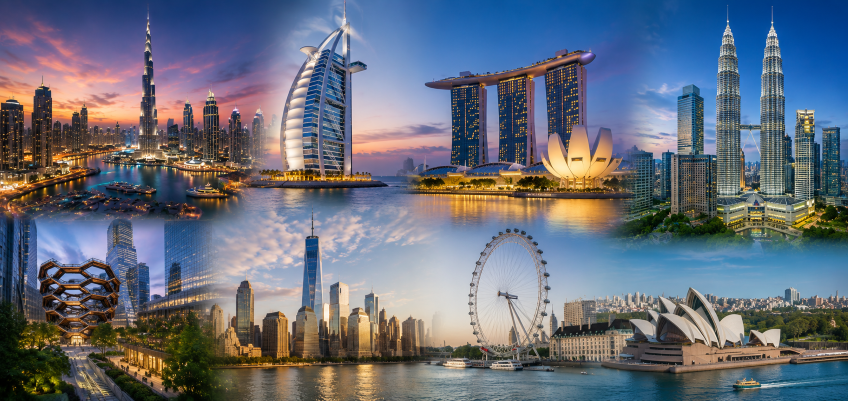
From Dubai and Singapore to London and New York, leading property developers are incorporating green building practices, renewable energy, water conservation systems, and smart technologies into their projects. These initiatives not only reduce environmental impact but also improve the quality of life for residents while increasing the long-term value of real estate investments.
This article explores why international property developers focus on sustainability and how these practices are shaping the future of the global real estate market.
What Is Sustainable Real Estate Development?
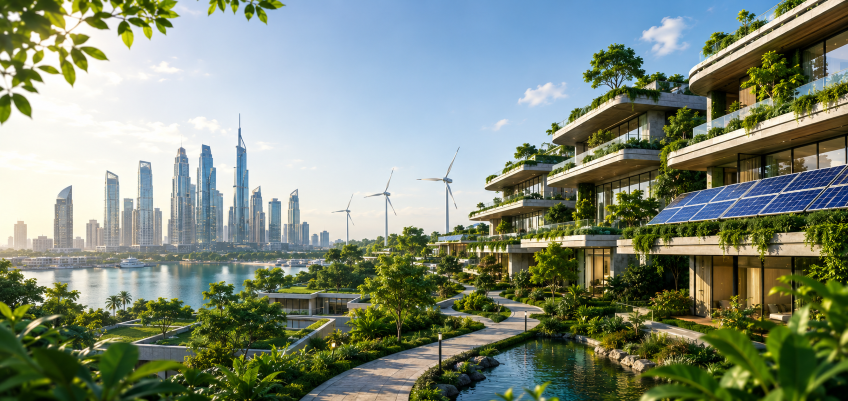
Sustainable real estate development refers to designing, constructing, and managing properties in ways that reduce environmental impact while creating healthier and more efficient communities.
A sustainable project aims to balance economic growth, environmental protection, and social well-being.
Common sustainability features include:
- Energy-efficient buildings
- Renewable energy systems
- Water conservation
- Green spaces
- Waste management
- Sustainable construction materials
- Smart infrastructure
- Environmentally friendly transportation
These features help create communities that remain valuable and livable for future generations.
Growing Environmental Awareness
Climate change and environmental challenges have increased global awareness about sustainable development.
Governments, businesses, and homeowners now recognize the importance of reducing:
- Energy consumption
- Carbon emissions
- Water waste
- Air pollution
- Construction waste
Property developers play an important role in supporting these environmental goals through responsible planning and construction.
Lower Energy Consumption
Energy efficiency is one of the primary reasons developers invest in sustainable buildings.
Modern developments often include:
- Solar panels
- LED lighting
- Energy-efficient windows
- Smart climate control systems
- High-performance insulation
- Efficient building designs
Reducing energy consumption lowers utility costs for residents while minimizing environmental impact.
Water Conservation
Water is becoming an increasingly valuable resource around the world.
Sustainable property developments often include:
- Rainwater harvesting systems
- Smart irrigation
- Water recycling facilities
- Low-flow plumbing fixtures
- Efficient landscaping
These systems reduce water waste while ensuring reliable supplies for communities.
Green Building Materials
International developers increasingly use environmentally friendly construction materials.
These may include:
- Recycled materials
- Low-emission products
- Sustainable timber
- Energy-efficient glass
- Environmentally certified building materials
Using sustainable materials reduces pollution during construction and improves building performance.
Smart Building Technology
Technology has become a major part of sustainable real estate.
Smart buildings often feature:
- Automated lighting systems
- Smart thermostats
- Digital energy monitoring
- Intelligent security
- Smart utility management
- Building automation systems
Technology helps optimize resource usage while improving comfort for residents.
Renewable Energy Integration
Many new developments now generate part of their own energy through renewable sources.
Common solutions include:
- Solar energy
- Wind energy
- Battery storage systems
- Solar-powered street lighting
Renewable energy reduces dependence on traditional power sources and supports long-term sustainability.
Green Spaces Improve Communities
Modern developments increasingly prioritize access to nature.
Developers incorporate:
- Community parks
- Walking trails
- Tree-lined streets
- Community gardens
- Green rooftops
- Open recreational spaces
Green areas improve air quality, encourage outdoor activities, and enhance residents' well-being.
Sustainable Transportation
Transportation contributes significantly to urban pollution.
International developments now support environmentally friendly mobility through:
- Public transportation access
- Cycling lanes
- Walking paths
- Electric vehicle charging stations
- Smart parking systems
These features reduce traffic congestion while lowering carbon emissions.
Waste Management Systems
Proper waste management is essential for sustainable communities.
Modern developments often include:
- Recycling programs
- Waste separation systems
- Organic waste processing
- Efficient collection services
Reducing landfill waste helps protect the environment and improve public health.
Higher Property Value
Sustainability has become a valuable selling point in today's real estate market.
Properties with environmentally friendly features often experience:
- Higher resale values
- Strong buyer demand
- Better rental opportunities
- Lower operating costs
Investors increasingly recognize sustainability as a long-term financial advantage.
Lower Operating Costs
Sustainable buildings generally require fewer resources to operate.
Benefits include:
- Reduced electricity bills
- Lower water costs
- Improved maintenance efficiency
- Longer equipment lifespan
These savings benefit both homeowners and property managers.
Better Quality of Life
Sustainable communities provide healthier living environments.
Residents enjoy:
- Cleaner air
- More green spaces
- Better natural lighting
- Reduced noise pollution
- Comfortable indoor temperatures
- Improved public spaces
These factors contribute to higher resident satisfaction.
Government Regulations
Many countries now require developers to meet environmental standards during construction.
Governments encourage sustainability through:
- Green building certifications
- Environmental regulations
- Energy efficiency standards
- Incentives for renewable energy
- Sustainable planning policies
Developers increasingly incorporate these requirements into project planning.
Growing Buyer Demand
Modern homebuyers are becoming more environmentally conscious.
Many now prefer homes that offer:
- Lower utility costs
- Energy efficiency
- Smart technology
- Green surroundings
- Sustainable construction
Developers respond by integrating these features into new communities.
Examples of Sustainable Developments
Many internationally recognized projects emphasize sustainability.
Examples include:
- Dubai Sustainable City
- Masdar City in Abu Dhabi
- Singapore's Marina Bay
- Songdo International Business District
- Capital Smart City in Pakistan
These projects demonstrate how technology and sustainability can work together to create modern communities.
Sustainability in Pakistan
Pakistan's real estate sector is gradually adopting sustainable practices.
Several new housing developments now include:
- Solar-powered street lights
- Smart infrastructure
- Green parks
- Water management systems
- Energy-efficient planning
As environmental awareness grows, more developers are expected to embrace sustainable construction.
Benefits for Investors
Sustainable developments provide several long-term investment advantages.
These include:
- Stronger property appreciation
- Higher rental demand
- Lower maintenance costs
- Increased buyer interest
- Better long-term marketability
Properties that meet future environmental standards are likely to remain competitive for many years.
Future Trends in Sustainable Real Estate
The future of real estate is expected to include:
- Net-zero energy buildings
- Artificial intelligence for energy management
- Smart utility monitoring
- Green construction materials
- Carbon-neutral communities
- Renewable energy integration
- Climate-resilient infrastructure
Technology will continue driving innovation in sustainable urban development.
Why Sustainability Is No Longer Optional
Developers today recognize that sustainability benefits everyone.
It helps:
- Protect the environment
- Reduce operating costs
- Improve public health
- Increase property values
- Support long-term urban growth
Communities built with sustainability in mind are better prepared for future environmental and economic challenges.
Final Thoughts
Sustainability has become a defining feature of modern real estate development. International property developers are investing in energy-efficient buildings, renewable energy, smart technologies, water conservation, and environmentally responsible planning because these features improve both financial performance and quality of life.
As buyers become more environmentally aware and governments introduce stricter environmental standards, sustainable developments will continue shaping the future of residential and commercial real estate. Projects that successfully combine innovation, environmental responsibility, and modern living will remain highly attractive to homeowners, businesses, and investors alike.
Whether you are purchasing your first home or building an international property portfolio, choosing developments that prioritize sustainability can provide long-term value while contributing to a healthier and more resilient future.
Frequently Asked Questions
Why is sustainability important in real estate?
Sustainability helps reduce energy consumption, lower operating costs, protect the environment, improve living conditions, and increase long-term property value.
What features make a property sustainable?
Common features include solar energy, energy-efficient lighting, smart technology, water conservation systems, green spaces, recycling facilities, and environmentally friendly construction materials.
Do sustainable buildings cost more?
Initial construction costs may be higher, but lower utility expenses, reduced maintenance costs, and stronger long-term property values often offset the additional investment.
Are sustainable properties good investments?
Yes. Sustainable developments typically attract greater buyer interest, stronger rental demand, and higher resale values due to their long-term efficiency and environmental benefits.
Is Pakistan adopting sustainable real estate practices?
Yes. Several modern housing projects in Pakistan are introducing smart infrastructure, renewable energy, green spaces, and environmentally friendly planning as part of their long-term development strategies.