
Real estate development has the power to transform entire cities. A single well-planned project can reshape skylines, improve infrastructure, attract businesses, increase tourism, and create new investment opportunities. Around the world, landmark developments have turned underutilized land into thriving residential, commercial, and entertainment destinations, changing the way people live, work, and interact.
From waterfront communities and smart cities to mixed-use developments and business districts, these projects have become symbols of urban innovation. They have not only boosted local economies but have also increased property values and established new standards for modern city planning.
This article explores some of the most famous global real estate projects that have transformed cities and continue to influence urban development worldwide.
How Real Estate Projects Transform Cities
Large-scale developments do much more than provide housing or office space. They often become catalysts for long-term economic and social growth.
Major benefits include:
- Improved infrastructure
- Increased employment opportunities
- Higher property values
- Tourism growth
- Better transportation
- Business expansion
- Improved quality of life
- Stronger investment markets
Successful developments create lasting value for both residents and investors.
Palm Jumeirah, Dubai
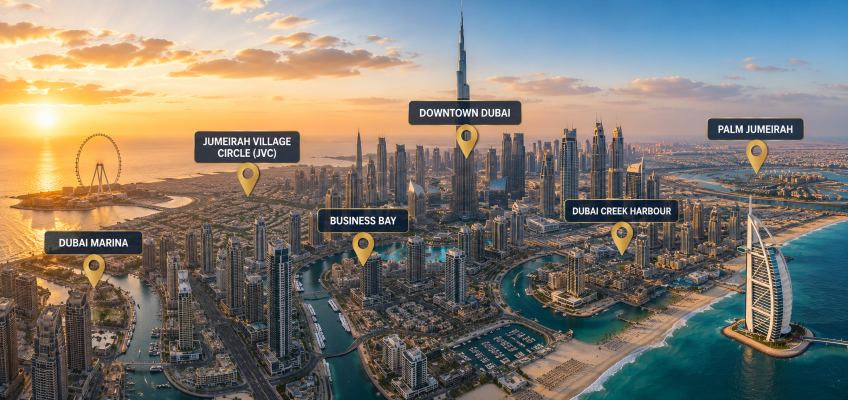
Palm Jumeirah is one of the world's most recognizable real estate developments. Built on a man-made island shaped like a palm tree, it transformed Dubai's coastline and established the city as a global luxury real estate destination.
The project includes:
- Luxury villas
- Waterfront apartments
- Five-star hotels
- Private beaches
- Restaurants
- Retail outlets
- Marina facilities
Palm Jumeirah has attracted buyers and tourists from around the world while significantly boosting Dubai's international reputation.
Dubai Marina, UAE
Dubai Marina transformed a previously undeveloped coastal area into one of the world's leading waterfront communities.
The development features:
- Residential skyscrapers
- Office buildings
- Hotels
- Shopping destinations
- Marina promenade
- Restaurants
- Entertainment venues
Its success demonstrates how integrated planning can create vibrant urban environments.
Downtown Dubai
Downtown Dubai redefined the city's commercial and residential landscape.
The district combines:
- Luxury apartments
- Office towers
- Hotels
- Retail centers
- Public spaces
- Entertainment attractions
Today, it serves as one of the most visited urban destinations in the world and continues to attract global investors.
Canary Wharf, London
Canary Wharf transformed London's former docklands into one of Europe's largest financial centers.
The project includes:
- Commercial office towers
- Residential apartments
- Shopping centers
- Restaurants
- Public transportation
- Parks
The development revitalized an underused industrial area and created thousands of jobs.
Hudson Yards, New York
Hudson Yards represents one of the largest private real estate developments in the United States.
Built over an active rail yard, it includes:
- Luxury residences
- Office buildings
- Hotels
- Retail spaces
- Restaurants
- Public plazas
- Cultural venues
The project transformed an overlooked section of Manhattan into a thriving urban district.
Marina Bay, Singapore
Marina Bay has become one of Asia's most successful examples of integrated urban development.
The district features:
- Luxury residences
- Commercial towers
- Hotels
- Retail centers
- Waterfront promenades
- Public parks
Its innovative planning has strengthened Singapore's position as a global financial hub.
Songdo International Business District, South Korea
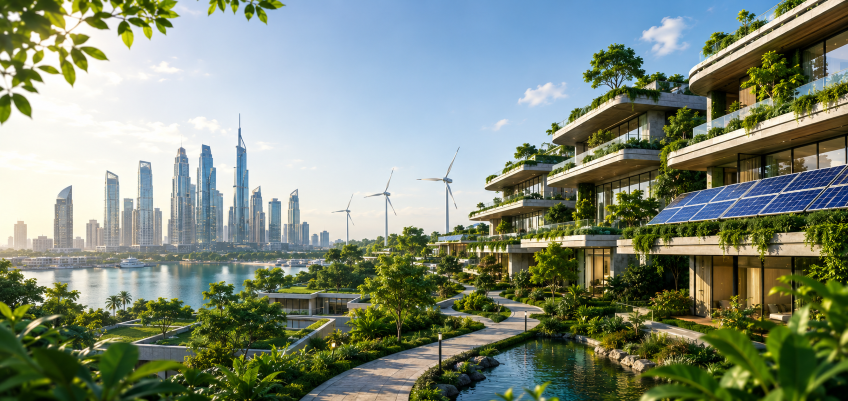
Songdo was designed as one of the world's first smart cities.
The project integrates:
- Smart infrastructure
- Residential communities
- Commercial offices
- Educational institutions
- Green parks
- Digital transportation
Technology and sustainability play central roles throughout the city.
Lusail City, Qatar
Lusail City represents Qatar's vision for modern urban development.
The city includes:
- Residential districts
- Commercial centers
- Waterfront developments
- Entertainment venues
- Hotels
- Sports facilities
The project supports the country's long-term economic diversification goals.
King Abdullah Economic City, Saudi Arabia
King Abdullah Economic City is one of the Middle East's largest master-planned developments.
The project combines:
- Residential neighborhoods
- Industrial zones
- Commercial districts
- Logistics centers
- Educational facilities
- Healthcare services
It continues supporting Saudi Arabia's economic transformation.
La Défense, Paris
La Défense has become Europe's largest purpose-built business district.
The development includes:
- Commercial office towers
- Residential apartments
- Shopping centers
- Public transportation
- Public spaces
It significantly expanded Paris's commercial capacity while maintaining the city's historic core.
The Pearl-Qatar
The Pearl is an artificial island development that transformed Qatar's luxury residential market.
The community offers:
- Waterfront apartments
- Luxury villas
- Retail outlets
- Marinas
- Restaurants
- Hotels
Its premium lifestyle attracts international buyers and tourists.
Capital Smart City, Pakistan
Pakistan has also embraced modern urban planning through projects like Capital Smart City.
The development includes:
- Smart infrastructure
- Residential communities
- Commercial districts
- Educational facilities
- Healthcare services
- Recreational parks
It represents a significant step toward smarter urban development in Pakistan.
Bahria Town, Pakistan
Bahria Town has transformed residential living across multiple Pakistani cities.
Its communities include:
- Residential neighborhoods
- Commercial centers
- Schools
- Hospitals
- Theme parks
- Sports facilities
- Modern infrastructure
The project has changed expectations for planned housing developments in Pakistan.
What Makes These Projects Successful?
Several factors contribute to the success of landmark developments.
Visionary Planning
Successful projects are planned with long-term growth in mind rather than focusing only on immediate demand.
Quality Infrastructure
Modern roads, utilities, transportation, and public services improve property values and attract residents.
Mixed-Use Development
Combining residential, commercial, retail, and recreational spaces creates vibrant communities.
Strategic Location
Projects located near business districts, airports, transportation networks, or waterfronts generally experience stronger demand.
Strong Developer Reputation
Experienced developers build investor confidence through quality construction and reliable project delivery.
Economic Impact
Major real estate developments create significant economic benefits.
These include:
- Job creation
- Tourism growth
- Increased tax revenue
- Business expansion
- Higher property values
- Infrastructure improvements
Entire cities often benefit from the economic activity generated by these projects.
Impact on Property Values
Large-scale developments frequently increase surrounding property prices.
Reasons include:
- Better infrastructure
- Increased demand
- Improved accessibility
- New commercial opportunities
- Enhanced public services
Investors who purchase property during early development phases often benefit from long-term appreciation.
Lessons for Future Developments
Modern developers continue learning from successful international projects.
Important lessons include:
- Prioritize sustainability
- Invest in smart technology
- Create mixed-use communities
- Preserve green spaces
- Improve transportation
- Focus on long-term planning
These principles help create communities that remain valuable for decades.
Future Trends
Future landmark developments are expected to emphasize:
- Smart cities
- Renewable energy
- Artificial intelligence
- Green buildings
- Electric transportation
- Digital infrastructure
- Climate resilience
Technology will continue reshaping urban environments around the world.
Why Investors Follow Landmark Developments
Large-scale projects often attract investors because they offer:
- Strong appreciation potential
- High rental demand
- Premium infrastructure
- International recognition
- Long-term economic growth
Well-planned developments typically outperform isolated property investments.
Final Thoughts
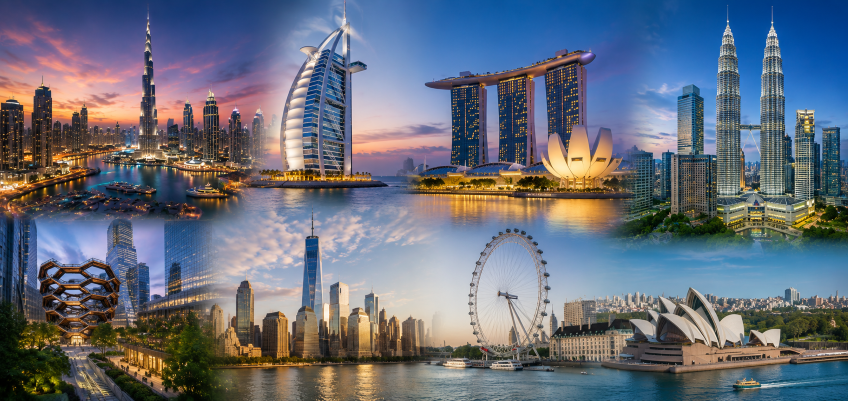
Famous real estate projects have transformed cities by creating modern communities, improving infrastructure, attracting businesses, and supporting economic growth. Developments such as Palm Jumeirah, Dubai Marina, Downtown Dubai, Canary Wharf, Hudson Yards, Marina Bay, Lusail City, and Capital Smart City demonstrate how visionary planning can reshape entire regions.
These projects have become much more than residential or commercial developments—they serve as symbols of innovation, sustainability, and long-term investment success. Their influence continues to inspire governments and developers worldwide to create smarter, more connected, and more sustainable urban environments.
For investors, studying these landmark developments provides valuable insights into the factors that drive long-term property appreciation and successful urban growth. As cities continue to evolve, carefully planned real estate projects will remain among the most powerful forces shaping the future of global real estate.
Frequently Asked Questions
Why are landmark real estate projects important?
They improve infrastructure, create jobs, attract businesses, increase tourism, and raise surrounding property values while transforming urban environments.
Which real estate project changed Dubai the most?
Palm Jumeirah and Downtown Dubai are among the most influential developments that transformed Dubai into a global real estate and tourism destination.
Are mixed-use developments better for investment?
Mixed-use developments often provide stronger long-term value because they combine residential, commercial, retail, and recreational facilities within one community.
Can real estate projects increase nearby property values?
Yes. Major developments often improve infrastructure, accessibility, and commercial activity, leading to increased demand and higher property prices.
What should investors learn from successful global developments?
Investors should focus on projects with strong planning, quality infrastructure, reputable developers, strategic locations, sustainable design, and long-term growth potential.