
Minimalist interior design has become one of the most popular decorating styles for modern homes. Its appeal lies in its simplicity, functionality, and timeless elegance. Instead of filling a home with excessive furniture and decorative accessories, minimalism focuses on creating clean, organized, and comfortable spaces where every item has a purpose.
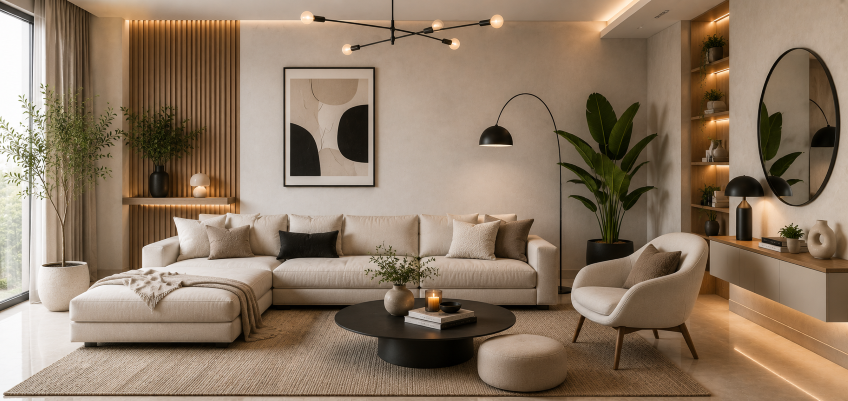
A minimalist home is not empty or cold. Instead, it is thoughtfully designed to reduce visual clutter while maximizing comfort and practicality. Neutral colors, quality materials, natural light, and carefully selected décor work together to create peaceful interiors that feel spacious and inviting.
Whether you live in a compact apartment, a modern villa, or a family home, minimalist decoration can transform your living space into a calm and stylish environment. This guide explores practical minimalist decoration ideas that suit every modern interior.
Understand the Principles of Minimalism
Minimalism is based on the idea that less can often achieve more.
The main principles include:
- Simplicity
- Functionality
- Clean layouts
- Neutral color palettes
- Quality over quantity
- Thoughtful organization
Rather than removing everything from a room, minimalism encourages keeping only what adds value or serves a purpose.
Choose a Neutral Color Palette
Neutral colors create a peaceful and timeless atmosphere.
Popular minimalist colors include:
- White
- Soft beige
- Cream
- Warm grey
- Light taupe
- Sand
These shades reflect natural light and make rooms appear larger.
You can introduce subtle contrast using black accents or natural wood finishes.
Declutter Every Room
One of the most important aspects of minimalist design is eliminating unnecessary clutter.
Begin by removing:
- Unused furniture
- Excess decorations
- Unnecessary accessories
- Old magazines
- Items without practical use
A clean and organized space immediately feels more relaxing.
Invest in Quality Furniture
Minimalist interiors prioritize quality over quantity.
Instead of buying multiple decorative pieces, invest in well-made furniture such as:
- Comfortable sofas
- Solid wood dining tables
- Quality bed frames
- Functional storage cabinets
Timeless furniture remains attractive for many years.
Select Furniture with Clean Lines
Modern minimalist furniture typically features:
- Straight edges
- Simple shapes
- Smooth finishes
- Minimal ornamentation
Furniture with clean lines creates visual balance while maintaining a sophisticated appearance.
Maximize Natural Light
Natural light is essential in minimalist interiors.
Increase brightness by:
- Keeping windows unobstructed
- Using sheer curtains
- Adding mirrors
- Choosing light-colored walls
Bright rooms feel more spacious and welcoming.
Layer Lighting
Instead of relying on a single ceiling light, combine different lighting sources.
Include:
- Pendant lights
- Table lamps
- Floor lamps
- Wall sconces
- LED accent lighting
Warm lighting creates a relaxing atmosphere during the evening.
Use Natural Materials
Minimalist interiors often feature natural materials that add warmth without creating visual clutter.
Popular materials include:
- Wood
- Stone
- Marble
- Glass
- Linen
- Cotton
Natural textures create inviting spaces while maintaining simplicity.
Keep Decorations Meaningful
Minimalism does not eliminate decoration—it encourages thoughtful decoration.
Choose a few quality items such as:
- Ceramic vases
- Sculptures
- Candles
- Indoor plants
- Framed artwork
Each accessory should contribute to the room's overall design.
Decorate with Indoor Plants
Plants soften modern interiors while improving air quality.
Popular minimalist plants include:
- Snake plant
- Rubber plant
- ZZ plant
- Peace lily
- Monstera
Simple planters in neutral colors complement minimalist spaces.
Install Floating Shelves
Floating shelves provide storage without making rooms feel crowded.
Display only a few carefully selected items such as:
- Books
- Plants
- Decorative bowls
- Picture frames
Leave empty space between objects to maintain visual balance.
Choose Large Artwork
Rather than filling walls with many small decorations, select one large piece of artwork.
Popular choices include:
- Abstract paintings
- Landscape photography
- Black-and-white prints
- Minimalist illustrations
Large artwork creates a strong focal point while keeping the room uncluttered.
Keep Wall Decoration Simple
Avoid overcrowding walls with excessive décor.
Minimalist wall ideas include:
- Wooden panels
- Textured paint
- Decorative molding
- Large mirrors
- Neutral artwork
Simple walls create calm interiors.
Incorporate Smart Storage
Hidden storage helps maintain clean spaces.
Useful solutions include:
- Built-in wardrobes
- Storage beds
- Floating cabinets
- Hidden drawers
- Storage benches
Organized storage reduces visible clutter.
Use Functional Furniture
Every furniture piece should have a clear purpose.
Examples include:
- Storage ottomans
- Lift-top coffee tables
- Folding desks
- Expandable dining tables
Multi-functional furniture works particularly well in smaller homes.
Add Texture Instead of Color
Rather than using bright colors, introduce visual interest through texture.
Combine materials such as:
- Linen
- Wool
- Wood
- Stone
- Cotton
Layering textures creates warmth without overwhelming the room.
Choose Simple Curtains
Window treatments should complement the minimalist style.
Select:
- Floor-length curtains
- Neutral fabrics
- Light materials
- Simple designs
Avoid heavy patterns and excessive detailing.
Use Rugs Carefully
Area rugs define spaces while adding comfort.
Choose rugs with:
- Neutral colors
- Soft textures
- Simple patterns
Large rugs often make rooms appear more spacious.
Create Open Spaces
Minimalist homes emphasize openness.
Arrange furniture to allow:
- Comfortable movement
- Clear walkways
- Open sightlines
Avoid overcrowding rooms with unnecessary furniture.
Decorate the Dining Room
Minimalist dining spaces focus on simplicity.
Include:
- Wooden dining table
- Comfortable chairs
- Pendant lighting
- Fresh flowers
- Neutral tableware
Keep the table free from excessive decorations.
Simplify the Bedroom
Bedrooms should promote rest and relaxation.
Use:
- Neutral bedding
- Soft lighting
- Minimal furniture
- Hidden storage
- Simple artwork
An uncluttered bedroom encourages better sleep.
Design a Functional Home Office
A minimalist workspace improves productivity.
Include only essential items such as:
- Desk
- Comfortable chair
- Good lighting
- Laptop
- Organized storage
Clean desks help improve focus.
Introduce Smart Home Technology
Technology can enhance minimalist interiors without creating clutter.
Useful features include:
- Smart lighting
- Automated curtains
- Wireless charging
- Voice assistants
- Smart thermostats
These systems improve convenience while maintaining clean aesthetics.
Focus on Quality Rather Than Quantity
Minimalism encourages purchasing fewer but better-quality items.
Invest in:
- Durable furniture
- Quality textiles
- Timeless lighting
- Well-made accessories
Quality pieces remain beautiful for many years.
Maintain Organization
Minimalist homes require regular organization.
Develop habits such as:
- Returning items to storage
- Clearing surfaces daily
- Organizing wardrobes
- Removing unused belongings
Consistent organization preserves the minimalist look.
Common Minimalist Decorating Mistakes
Avoid these common mistakes:
- Making rooms feel cold
- Removing all decorative elements
- Ignoring comfort
- Choosing poor-quality furniture
- Using too many contrasting colors
- Overlooking storage
Minimalism should always feel welcoming rather than empty.
Future Minimalist Trends
Modern minimalist interiors continue evolving through:
- Sustainable materials
- Smart home technology
- Natural textures
- Energy-efficient lighting
- Eco-friendly furniture
- Wellness-focused spaces
These trends combine simplicity with modern living.
Final Thoughts
Minimalist decoration is about creating homes that feel peaceful, functional, and timeless. By focusing on quality furniture, neutral colors, natural materials, smart storage, and thoughtful organization, you can design interiors that are both beautiful and practical.
Rather than following short-lived decorating trends, minimalism encourages long-term design choices that remain attractive for years. Every piece of furniture, artwork, and décor should contribute to the overall comfort and purpose of the room.
Whether you are decorating a small apartment, a modern villa, or a family home, minimalist design offers a flexible approach that works for every lifestyle. With careful planning and attention to detail, you can create a modern interior that feels spacious, relaxing, and effortlessly elegant.
Frequently Asked Questions
What is minimalist interior design?
Minimalist interior design focuses on simplicity, functionality, clean layouts, neutral colors, quality furniture, and eliminating unnecessary clutter to create calm and organized living spaces.
Which colors work best in minimalist homes?
White, cream, beige, light grey, warm taupe, and soft earth tones are commonly used because they create a bright and timeless appearance.
Can minimalist homes still feel comfortable?
Yes. Soft textiles, natural materials, warm lighting, comfortable furniture, and indoor plants help create cozy and inviting minimalist interiors.
Is minimalist design suitable for small homes?
Absolutely. Minimalism works especially well in smaller homes because it reduces clutter, improves organization, and creates the feeling of larger, more open spaces.
How can I start decorating my home in a minimalist style?
Begin by decluttering, choosing a neutral color palette, investing in functional furniture, maximizing natural light, adding hidden storage, and selecting a few meaningful decorative accessories instead of many unnecessary items.