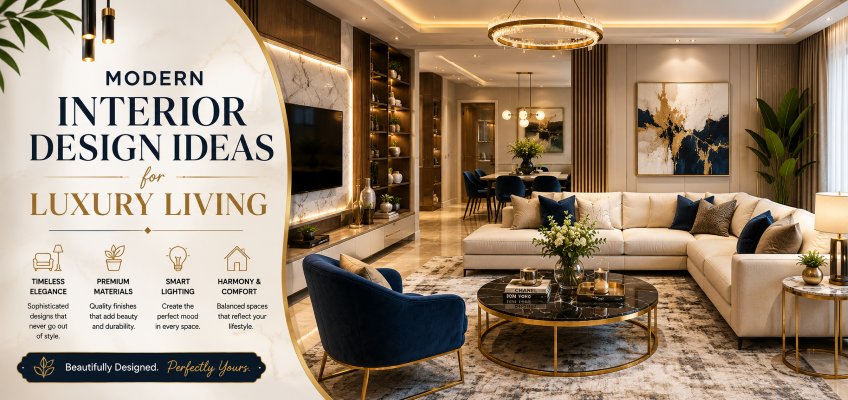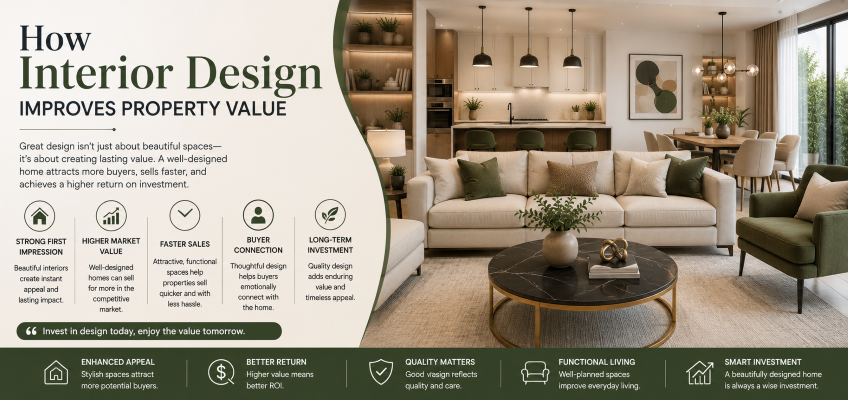

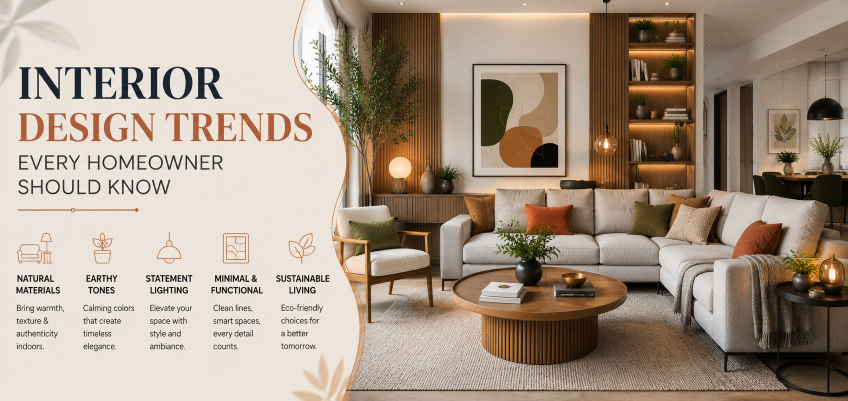
Interior design continues to evolve as homeowners look for spaces that are not only beautiful but also practical, comfortable, and suited to modern lifestyles. Today's homes are designed to support work, relaxation, family gatherings, and entertainment, making thoughtful interior design more important than ever. While decorating trends may change over time, many current ideas focus on timeless materials, smart technology, sustainability, and creating healthier living environments.
A well-designed home reflects the personality of its owner while providing comfort and functionality for everyday life. Whether you are building a new house, renovating an existing property, or simply refreshing your interiors, understanding modern design trends can help you make better long-term decisions.
This guide explores the interior design trends every homeowner should know when creating stylish and functional living spaces.
Warm Neutral Color Palettes
Neutral colors continue to dominate modern interiors because they create calm, timeless environments.
Popular shades include:
- White
- Cream
- Warm beige
- Soft grey
- Taupe
- Sand
These colors make rooms feel brighter while allowing furniture and decorative accessories to stand out naturally.
Unlike bold color trends, neutral palettes remain attractive for many years.
Natural Materials
Homeowners increasingly prefer materials inspired by nature.
Popular choices include:
- Wood
- Stone
- Marble
- Cotton
- Linen
- Bamboo
Natural materials introduce warmth, texture, and authenticity while creating comfortable living environments.
They also complement both contemporary and traditional interiors.
Sustainable Interior Design
Sustainability has become one of the most important trends in home design.
Many homeowners now choose:
- Recycled materials
- Eco-friendly furniture
- LED lighting
- Energy-efficient appliances
- Sustainable wood
- Water-saving fixtures
Environmentally responsible choices reduce waste while supporting long-term living.
Minimalist Living Spaces
Minimalism remains popular because it encourages simplicity and organization.
The style focuses on:
- Functional furniture
- Clean layouts
- Hidden storage
- Neutral colors
- Limited decorative accessories
Rather than empty rooms, minimalist interiors emphasize thoughtful design and practical living.
Smart Home Integration
Technology is becoming an essential part of modern homes.
Popular smart features include:
- Smart lighting
- Voice-controlled assistants
- Automated curtains
- Smart thermostats
- Security systems
- Wireless charging stations
These technologies improve convenience, comfort, and energy efficiency.
Multi-Functional Rooms
Modern homes often need to support multiple activities.
Rooms now serve as:
- Home offices
- Study areas
- Entertainment spaces
- Fitness rooms
- Reading corners
Flexible layouts help homeowners maximize available space.
Open-Plan Living
Open layouts continue to be one of the most desirable design trends.
Benefits include:
- Better natural light
- Improved family interaction
- Spacious appearance
- Flexible furniture arrangements
Open kitchens connected to dining and living rooms remain especially popular.
Layered Lighting
Lighting has become a major design feature rather than simply a necessity.
Modern homes combine:
- Ambient lighting
- Task lighting
- Accent lighting
- Decorative fixtures
Layered lighting creates warmth while improving functionality throughout the home.
Statement Lighting Fixtures
Decorative lighting now serves as artwork.
Popular options include:
- Pendant lights
- Sculptural chandeliers
- Modern wall sconces
- Floor lamps
Statement lighting enhances both style and atmosphere.
Curved Furniture
Furniture with soft curves has replaced many sharp-edged designs.
Popular pieces include:
- Rounded sofas
- Curved armchairs
- Circular coffee tables
- Oval mirrors
Soft shapes create more welcoming interiors.
Textured Walls
Walls are becoming important design features.
Popular treatments include:
- Wooden slats
- Decorative molding
- Stone finishes
- Textured wallpaper
- Limewash paint
Feature walls add character without overwhelming a room.
Earth-Inspired Colors
Nature continues influencing color trends.
Popular shades include:
- Olive green
- Terracotta
- Clay
- Forest green
- Warm brown
Earth tones create relaxing and inviting spaces.
Indoor Plants
Plants remain one of the easiest ways to improve interior design.
Popular choices include:
- Monstera
- Snake plant
- Peace lily
- Rubber plant
- Pothos
Greenery improves air quality while adding freshness.
Quality Over Quantity
Instead of filling homes with numerous decorative items, homeowners increasingly invest in fewer, higher-quality pieces.
Priority is given to:
- Durable furniture
- Timeless lighting
- Natural materials
- Well-crafted accessories
Quality design often outlasts changing trends.
Hidden Storage
Organization remains an important aspect of modern interiors.
Popular storage solutions include:
- Built-in wardrobes
- Storage beds
- Floating cabinets
- Hidden drawers
- Multi-functional furniture
Well-planned storage keeps interiors uncluttered.
Home Wellness Spaces
Homes increasingly include areas dedicated to health and relaxation.
Popular additions include:
- Meditation corners
- Reading areas
- Yoga spaces
- Indoor gardens
Wellness-focused interiors encourage healthier lifestyles.
Personalized Interiors
Modern homes reflect individual personalities.
Personal touches include:
- Family photographs
- Travel collections
- Handmade artwork
- Favorite books
- Meaningful decorative objects
Personalization creates warmth without sacrificing style.
Natural Light
Large windows remain one of the most desirable architectural features.
Natural light:
- Brightens interiors
- Reduces energy use
- Improves mood
- Makes rooms appear larger
Homeowners increasingly prioritize daylight during renovations.
Mixed Materials
Interior designers continue combining different textures.
Popular combinations include:
- Wood and marble
- Glass and metal
- Stone and timber
- Leather and fabric
Mixing materials creates visual depth.
Comfortable Furniture
Comfort has become just as important as appearance.
Modern furniture focuses on:
- Ergonomic seating
- Soft upholstery
- Durable fabrics
- Practical layouts
Comfortable interiors support everyday living.
Functional Entryways
The entrance creates the first impression of a home.
Modern entryways often include:
- Console tables
- Mirrors
- Storage benches
- Wall hooks
- Decorative lighting
Well-designed entrances improve organization.
Kitchen Innovation
Modern kitchens emphasize:
- Smart appliances
- Efficient storage
- Open layouts
- Durable surfaces
- Sustainable materials
Functionality remains the highest priority.
Spa-Inspired Bathrooms
Bathrooms increasingly resemble luxury spas.
Popular features include:
- Walk-in showers
- Natural stone
- Floating vanities
- Soft lighting
- Minimalist design
Comfort and relaxation drive bathroom trends.
Flexible Home Offices
Remote work continues influencing interior design.
Home offices now include:
- Adjustable desks
- Ergonomic chairs
- Good lighting
- Organized storage
Well-designed workspaces improve productivity.
Outdoor Living Spaces
Outdoor areas have become extensions of indoor living.
Popular additions include:
- Outdoor kitchens
- Comfortable seating
- Decorative lighting
- Fire pits
- Garden lounges
Functional outdoor spaces increase property value.
Sustainable Furniture
Homeowners increasingly prefer furniture made from:
- Reclaimed wood
- Bamboo
- Recycled materials
- Responsibly sourced timber
Sustainable furniture supports environmentally friendly living.
Acoustic Design
Reducing noise has become increasingly important.
Design solutions include:
- Upholstered furniture
- Acoustic wall panels
- Rugs
- Curtains
Quiet interiors improve comfort.
Timeless Design
Rather than following every trend, homeowners increasingly choose timeless designs.
This includes:
- Neutral colors
- Quality materials
- Classic furniture
- Functional layouts
Timeless interiors remain attractive for decades.
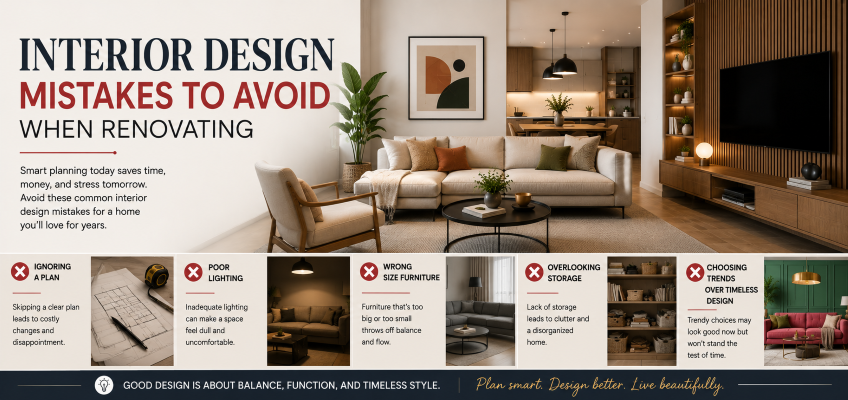
Common Interior Design Mistakes
Avoid these common mistakes:
- Following every trend
- Poor lighting
- Oversized furniture
- Too many decorative items
- Ignoring storage
- Choosing style over comfort
Balanced design always produces better results.
Final Thoughts
Interior design is no longer just about creating beautiful spaces—it is about designing homes that improve everyday living. Modern homeowners increasingly value functionality, sustainability, comfort, and timeless style over short-lived decorating trends. Features such as neutral color palettes, natural materials, smart technology, hidden storage, layered lighting, and flexible living spaces continue shaping the future of residential design.
The best interiors are those that reflect your personal style while remaining practical for daily life. Rather than trying to include every popular trend, focus on selecting ideas that suit your home's architecture, your family's needs, and your long-term lifestyle.
By combining thoughtful planning with quality materials and functional design, you can create a home that remains comfortable, elegant, and relevant for many years. Good interior design is not about following fashion—it is about creating spaces where people genuinely enjoy living.
Frequently Asked Questions
What are the biggest interior design trends today?
Some of the most popular trends include warm neutral colors, sustainable materials, smart home technology, minimalist interiors, layered lighting, natural textures, and multi-functional living spaces.
Are neutral colors still popular?
Yes. White, cream, beige, warm grey, and soft earth tones remain popular because they create timeless, versatile interiors that suit a wide range of decorating styles.
How can I update my home without a major renovation?
Refreshing wall paint, improving lighting, adding indoor plants, replacing decorative accessories, upgrading furniture placement, and introducing natural materials can significantly improve your home's appearance.
Is smart home technology becoming standard?
Yes. Smart lighting, voice-controlled devices, automated climate control, smart security systems, and connected appliances are increasingly common in modern homes.
What makes an interior design timeless?
Timeless interiors combine quality materials, neutral color palettes, functional layouts, comfortable furniture, and thoughtful decoration rather than relying on short-term design trends.